

Can Dogs Eat Mustard? Safety Tips for Pet Owners
Affiliate links — we may earn a commission
Mustard is a popular condiment found in many households, often added to burgers, hot dogs, and sandwiches. While it’s a staple in human meals, pet owners often wonder if it’s safe for their furry friends. The answer is clear: mustard poses serious health risks for pets.
Derived from mustard seeds, this condiment contains compounds like isothiocyanates, which can cause inflammation and digestive upset in animals. Even small amounts may lead to symptoms such as vomiting, diarrhea, and abdominal pain. It’s crucial to understand that while mustard greens might be safe, prepared mustard varieties like yellow, Dijon, and honey mustard are not.
This article will explore the dangers of mustard for pets, the types to avoid, and what to do if your pet accidentally ingests it. By staying informed, you can ensure your pet’s safety and well-being. Let’s dive into the details to help you make the best decisions for your furry companion.
Key Takeaways
- Mustard seeds contain toxic compounds harmful to pets.
- Common symptoms of ingestion include vomiting and diarrhea.
- Prepared mustard varieties are unsafe for animals.
- Immediate veterinary care is essential if ingestion occurs.
- Mustard greens may be safe, but moderation is key.
Understanding the Risks: Can Dogs Eat Mustard
Mustard, a common kitchen staple, poses hidden dangers for pets. While it’s a flavorful addition to human meals, its ingredients can be harmful to animals. The primary concern lies in the mustard seed, which contains toxic compounds that affect a pet’s health.
Why Mustard is a Concern for Dogs
Mustard seeds contain isothiocyanates and glucosinolates, which are toxic to pets. These compounds can cause inflammation in the stomach and irritation in the airways. Even a small amount may lead to severe symptoms, making it unsafe for consumption.
Common signs of ingestion include vomiting, diarrhea, and drooling. These symptoms can escalate quickly, leading to dehydration and discomfort. Immediate action is crucial to prevent further complications.
How Mustard Seeds Cause Toxicity
The toxins in mustard seeds disrupt the digestive system, causing inflammation and pain. They can also irritate the respiratory tract, making it difficult for pets to breathe. Even minimal exposure can trigger these reactions, so vigilance is essential.
If you suspect your pet has ingested mustard, consult a veterinarian immediately. Early intervention can prevent serious health issues and ensure your pet’s safety. Always keep condiments like mustard out of reach to avoid accidental ingestion.
Identifying Mustard Types and Their Effects on Dog Health
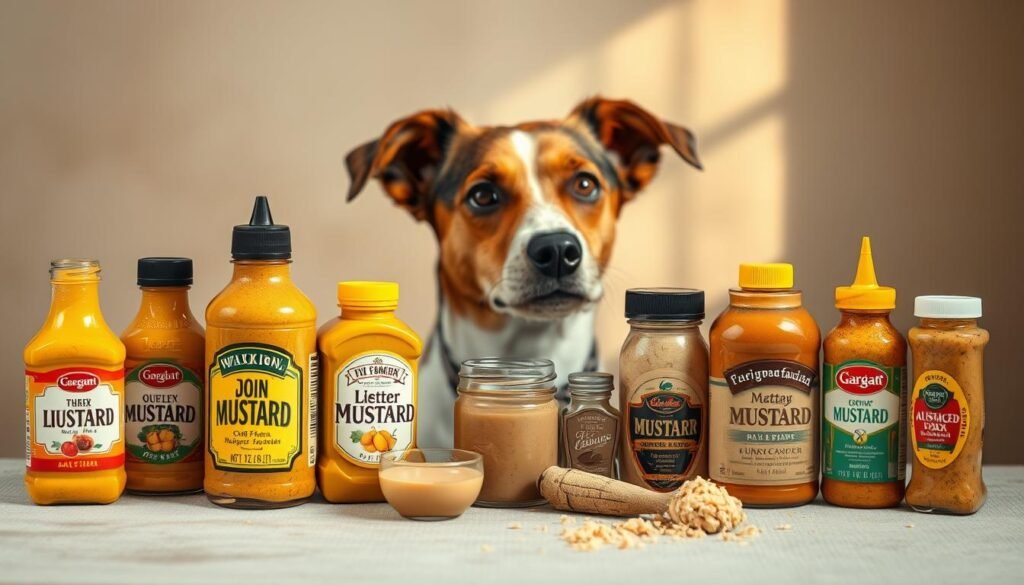
Not all mustard forms are created equal when it comes to pet safety. Understanding the differences between varieties is crucial for protecting your furry friend. While some forms are outright toxic, others may pose minimal risk if prepared correctly.
Mustard Seeds Versus Mustard Greens
Mustard seeds are the primary source of toxicity in this condiment. They contain compounds like isothiocyanates, which can cause inflammation and digestive issues. Even small amounts can lead to vomiting, diarrhea, and abdominal pain.
On the other hand, mustard greens are leafy vegetables that do not contain these harmful toxins. While they may be safe in moderation, they offer no significant health benefits for pets. Always consult your vet before introducing new foods.
Common Mustard Varieties to Avoid
Many prepared mustard types are unsafe for animals. Yellow mustard, Dijon, and wild mustard are all made from toxic seeds. These varieties often include additional spices and vinegar, increasing their danger.
Mustard powder, a concentrated form of the seed, is particularly hazardous. It can cause severe gastrointestinal distress and respiratory irritation. Keep all mustard products out of reach to prevent accidental ingestion.
Remember, even if some forms like mustard greens are safe, mustard provides no nutritional value for pets. Prioritize their health by sticking to vet-approved foods and treats.
Safety Tips and Emergency Procedures for Mustard Ingestion

Accidental ingestion of mustard can be alarming for pet owners, but knowing how to respond can make all the difference. Early identification of symptoms and prompt action are crucial to minimize health risks. Below, we outline the steps to take if your pet consumes this condiment.
Early Warning Signs and Symptoms
Recognizing the early signs of mustard ingestion is vital. Common symptoms include:
- Vomiting or drooling
- Diarrhea or gastrointestinal distress
- Abdominal pain or lethargy
These symptoms can escalate quickly, especially if a large amount is consumed. Monitoring your pet’s behavior and noting the exact amount mustard ingested can help your veterinarian provide appropriate care.
Immediate Actions to Take at Home
If you suspect your pet has ingested mustard, follow these steps:
- Stay calm and assess the situation.
- Contact your vet or an emergency animal poison control center immediately.
- Do not attempt to induce vomiting dog without professional instruction.
- Offer water to help dilute the toxin.
Quick action can prevent further absorption of harmful compounds and reduce the risk of severe digestive problem.
When to Seek Veterinary Help
Professional intervention is essential in certain cases. Seek immediate veterinary help if:
- Your pet shows severe symptoms like difficulty breathing or seizures.
- A small amount was ingested, but your pet is small in size or has pre-existing health issues.
- You’re unsure about the type or amount mustard consumed.
Your veterinarian may administer treatments like activated charcoal or IV fluids to mitigate the effects of ingestion.
| Symptom | Action |
|---|---|
| Vomiting | Monitor closely and contact a vet. |
| Diarrhea | Ensure hydration and seek professional advice. |
| Lethargy | Immediate veterinary care is essential. |
“Time is critical when dealing with potential toxin ingestion. Always err on the side of caution and consult a professional.”
By staying informed and prepared, you can protect your pet’s health and ensure their safety in emergencies.
Conclusion
Keeping your pet safe from harmful foods is a top priority for every owner. Mustard made from seeds poses significant risks, as it contains compounds that can cause severe digestive and respiratory issues. Symptoms like vomiting, diarrhea, and lethargy should never be ignored.
If ingestion occurs, monitor your pet closely and contact a vet immediately. Avoid inducing vomiting without professional guidance, as it may worsen the situation. Remember, mustard provides no health benefit for pets and should never be included in their diet.
Stay vigilant by keeping all mustard products, including yellow mustard and powder, out of reach. Prioritize your pet’s health by sticking to vet-approved foods and treats. Quick action and informed decisions can ensure your furry friend stays safe and healthy.
Is mustard safe for pets?
What makes mustard seeds harmful to dogs?
Are mustard greens toxic to dogs?
What are the symptoms of mustard poisoning in dogs?
What should I do if my pet ingests mustard?
Are all types of mustard equally harmful?
Can a small amount of mustard harm my dog?
When should I seek veterinary help?

Sarah Jennings
Contributing writer covering My Favorite Dog - Dog tips, Tricks and Best of Product Roundups.






The article was informative, but can we talk about how mustard seeds cause toxicity? Would cooking alter the toxicity levels?
Interesting read. But what if the dog accidentally ingests mustard? What are the immediate actions that we should take?
Immediate vet call! You should always prioritize professional advice over internet suggestions.
Interesting read, but isnt it more crucial to address the common human foods that are frequently accessible to dogs?