
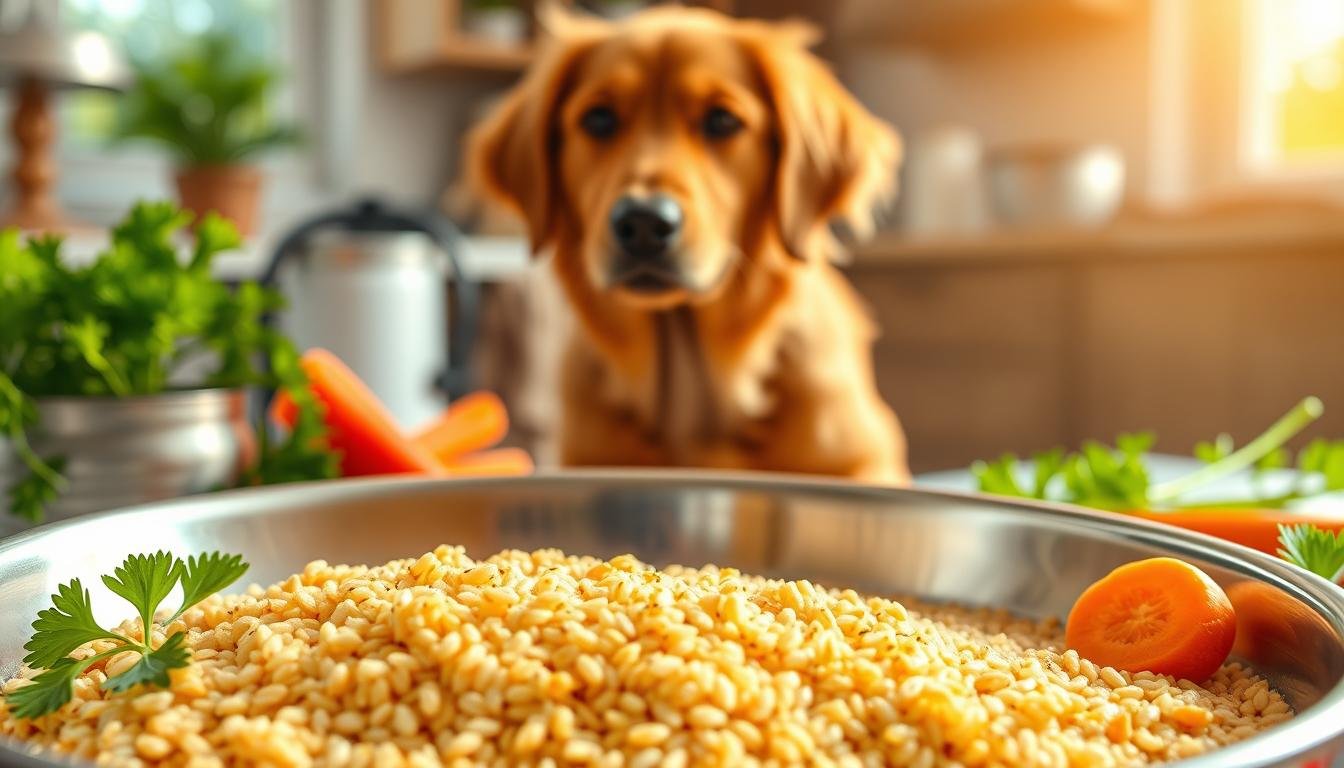
Can Dogs Eat Quinoa? Benefits and Risks for Pets
Affiliate links — we may earn a commission
Quinoa, a nutrient-packed grain, has become a popular choice in many households. But is it safe for your furry friend? This question often arises among pet owners looking to diversify their pet’s diet with healthy options.
Rich in protein, fiber, and essential vitamins, quinoa offers numerous health benefits. It’s a complete plant protein, containing all nine essential amino acids. This makes it a valuable addition to both human and pet meals.
However, moderation is key. While quinoa can support digestion and provide energy, it’s important to introduce it gradually. Always consult your vet before making dietary changes to ensure it aligns with your pet’s needs.
This article explores the benefits, potential risks, and proper preparation methods to help you make informed decisions about including quinoa in your dog’s diet.
Key Takeaways
- Quinoa is a nutrient-dense grain rich in protein, fiber, and vitamins.
- It can be a healthy addition to your pet’s diet when given in moderation.
- Consult your vet before introducing new ingredients to your dog’s meals.
- Quinoa supports digestion and provides essential nutrients for overall health.
- Proper preparation, such as thorough cooking, is crucial to avoid digestive issues.
Quinoa as a Nutritious Addition to Your Dog’s Diet
Packed with essential nutrients, quinoa is a versatile addition to your dog’s food. This gluten-free grain offers a range of health benefits, making it a valuable ingredient for pet nutrition. Its rich profile of vitamins, minerals, and protein can support your pet’s overall well-being.
Nutrient Breakdown: Vitamins, Minerals, and Protein
Quinoa is a powerhouse of nutrients. It contains magnesium, phosphorus, and iron, which are essential for your pet’s health. These minerals support bone strength, energy production, and oxygen transport in the body.
Additionally, quinoa is a complete plant protein, providing all nine essential amino acids. This makes it an excellent option for muscle maintenance and repair. It’s also rich in B-complex vitamins, which play a crucial role in metabolism and overall vitality.
Digestive Benefits and Fiber Support
One of quinoa’s standout features is its high fiber content. Fiber aids in healthy digestion and promotes regular bowel movements. This can be particularly beneficial for pets with sensitive stomachs or those prone to digestive issues.
For dogs with gluten sensitivities, quinoa is a safe and nutritious alternative to traditional grains like wheat or rice. Its low-calorie and low-fat profile also make it a smart choice for weight management.
When introducing quinoa to your pet’s diet, start with small portions to monitor their reaction. This ensures they can enjoy its benefits without any adverse effects.
can dogs eat quinoa: Safety Guidelines and Serving Sizes

Introducing new foods to your pet requires careful consideration and proper guidelines. Quinoa, while nutritious, must be served in appropriate amounts to avoid potential health issues. Understanding the right portion sizes and monitoring your dog’s reaction are key to ensuring a safe dietary addition.
Portion Recommendations Based on Dog Size
When adding quinoa to your dog’s meals, the serving size should match their weight. Here’s a breakdown of recommended portions:
- Extra-small dogs (under 10 lbs): 1 teaspoon or less of cooked quinoa.
- Small dogs (10-25 lbs): 1 to 2 teaspoons of cooked quinoa.
- Medium dogs (25-60 lbs): 2 to 3 teaspoons, making up no more than 10% of their daily food intake.
- Large dogs (60-100 lbs): 1 tablespoon of cooked quinoa.
- Giant breeds (over 100 lbs): 1 to 2 tablespoons, served infrequently.
These measurements ensure your pet enjoys the benefits of quinoa without overloading their system.
Monitoring Your Dog’s Reaction to New Foods
Gradual introduction is crucial when adding quinoa to your dog’s diet. Start with a small amount, such as a teaspoon, and observe their response. Watch for signs of digestive discomfort, including bloating, gas, or diarrhea.
In rare cases, dogs may experience allergic reactions. Symptoms like itching, swelling, or difficulty breathing require immediate veterinary attention. Always consult your vet before making significant changes to your pet’s meals.
By following these safety guidelines, you can ensure quinoa becomes a healthy and enjoyable part of your dog’s diet.
Preparing Quinoa for Your Dog: Best Cooking Practices
Properly preparing quinoa ensures it’s safe and beneficial for your furry companion. This nutrient-rich grain can be a healthy addition to their meals when cooked correctly. Follow these expert-approved practices to maximize its benefits and avoid potential risks.
Plain, Cooked Quinoa and Avoiding Harmful Additives
The best way to serve quinoa is plain and thoroughly cooked. Avoid adding seasonings like garlic, onion, or salt, as these can be toxic. Stick to simple preparation methods to maintain its nutritional integrity.
Start by rinsing the quinoa under cold water. This removes saponins, a natural coating that can irritate your pet’s digestive system. Use a fine mesh strainer to ensure all residue is washed away.
Cook the rinsed quinoa in water, using a 2:1 ratio of water to grain. Bring it to a boil, then reduce the heat and let it simmer for about 15 minutes. Once cooked, let it cool completely before mixing it with your pet’s regular food.
Here’s a quick guide to incorporating quinoa into meals:
- Use it as a food topper for added texture and nutrients.
- Mix a small amount into their kibble for variety.
- Serve it as an occasional treat, ensuring it doesn’t exceed 10% of their daily intake.
Proper preparation supports healthy digestion and reduces the risk of gastrointestinal discomfort. For more on the nutritional benefits of quinoa, consult trusted resources.
By following these steps, you can safely introduce this superfood into your pet’s diet. Always monitor their reaction and consult your vet if you have concerns.
Incorporating Other Superfoods and Alternatives into Your Dog’s Diet

Exploring nutrient-rich options for your pet’s meals can enhance their overall health and well-being. While quinoa is a standout choice, other superfoods and traditional grains also offer unique benefits. Understanding these options helps create a balanced and varied diet for your furry friend.
Comparing Quinoa to Traditional Grains
Quinoa often outperforms traditional grains like rice, wheat, and corn in terms of nutritional value. It’s a complete plant protein, providing all nine essential amino acids. This makes it ideal for muscle maintenance and repair.
Rice, while easy to digest, lacks the same level of protein and fiber. Wheat and corn are common allergens, making quinoa a safer alternative for pets with sensitivities. Its low glycemic index also helps maintain stable blood sugar levels.
Vet-Approved Ingredient Options for a Balanced Diet
In addition to quinoa, several superfoods can enrich your pet’s meals. Turmeric is known for its anti-inflammatory properties, supporting joint health. Blueberries are packed with antioxidants, promoting overall vitality.
Pumpkin is another excellent choice, offering high fiber content for digestive support. Ingredients like salmon and sweet potatoes provide essential omega-3 fatty acids and vitamins, enhancing skin and coat health.
For more ideas on incorporating superfoods, check out this comprehensive guide on safe and nutritious options.
By combining quinoa with these vet-approved ingredients, you can create a well-rounded diet that supports your pet’s health and happiness.
Conclusion
Adding nutrient-rich ingredients to your pet’s meals can boost their overall health. Quinoa, with its high protein and fiber content, is a safe and beneficial option when prepared correctly. Always serve it plain and avoid harmful additives to ensure your pet’s safety.
Moderation is key. Start with small portions and monitor your pet’s reaction. Consulting your vet before introducing new food ensures it aligns with their dietary needs.
For variety, consider other superfoods like pumpkin or blueberries. These ingredients, combined with quinoa, create a balanced and nutritious diet. Proper preparation and portion control support your pet’s well-being.
By making informed choices, you can enhance your pet’s health and happiness. Always prioritize their needs and consult trusted sources for guidance.
Is quinoa safe for pets to consume?
What nutrients does quinoa provide for dogs?
How much quinoa can I give my dog?
Can quinoa cause digestive issues in dogs?
Should I mix quinoa with my dog’s regular food?
Are there better grain alternatives for dogs?
Can quinoa help with my dog’s weight management?
How should I prepare quinoa for my dog?
Are there risks associated with feeding quinoa to dogs?

Sarah Jennings
Contributing writer covering My Favorite Dog - Dog tips, Tricks and Best of Product Roundups.





Has anyone tried quinoa with their dogs? Wondering how it might affect their energy levels. Any thoughts?
Interesting read, but isnt too much fiber in a dogs diet also potentially harmful? Balance in everything, right?
Interesting read! But isnt quinoa a common allergen for humans? Wondering if its the same case for dogs too. Any thoughts?