
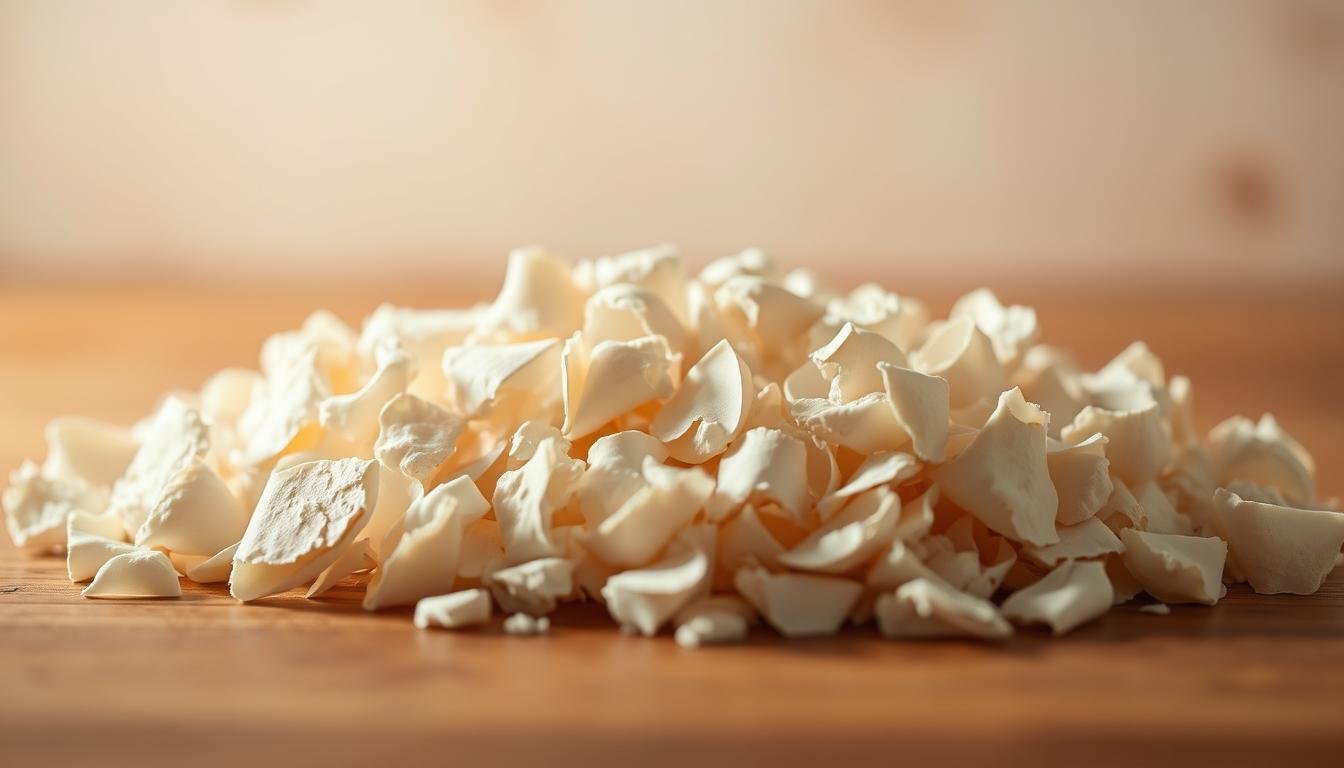
Discover If Egg Shells Are Safe for Your Canine Companion
Affiliate links — we may earn a commission
Many pet owners wonder about the safety of feeding eggshells to their furry friends. Eggs are a great source of protein and essential nutrients, but what about the shells? Experts like Dr. Woow highlight that eggshells offer natural calcium, which supports bone and joint health.
While raw eggs carry risks like salmonella, properly processed eggshells can be beneficial. Grinding or powdering them makes it easier for dogs to absorb calcium. This method ensures safety and maximizes nutritional benefits.
This article will explore the advantages of eggshells, safe preparation techniques, and potential risks. Whether raw or cooked, understanding the right way to include them in your dog’s diet is crucial for their health.
Key Takeaways
- Eggshells provide natural calcium for bone and joint health.
- Proper processing, like grinding, enhances calcium absorption.
- Raw eggs may carry salmonella risks.
- Consult a vet before adding eggshells to your dog’s diet.
- Cooked eggs are safer than raw ones for dogs.
Can dogs eat egg shells? Understanding the Basics
Eggshells, a natural source of calcium, have sparked curiosity among pet enthusiasts. Many wonder if they are a safe and beneficial addition to a pet’s diet. This section explores the nutritional value of eggshells and addresses common misconceptions.
Overview of Eggshell Nutrition
Eggshells are rich in calcium carbonate, a compound essential for bone and joint health. They also contain trace amounts of amino acids and vitamins, making them a valuable source of nutrients. When processed into powder, they become easier for pets to digest and absorb.
Here’s a breakdown of calcium content in eggshell powder:
| Amount of Powder | Calcium Content |
|---|---|
| ⅛ teaspoon | 250 mg |
| ¼ teaspoon | 500 mg |
| ½ teaspoon | 1,000 mg |
| 1 teaspoon | 2,000 mg |
Examining Common Myths
One common myth is that eggshells pose a risk of salmonella. While raw eggs can carry bacteria, properly washing, boiling, and grinding the shell eliminates this risk. Another misconception is that eggshells are harmful if not prepared correctly. In reality, when processed safely, they offer significant benefits.
Experts recommend consulting a vet before introducing eggshells into a pet’s diet. This ensures the right amount is given based on the pet’s size and nutritional needs.
Nutritional Benefits of Eggs and Eggshells
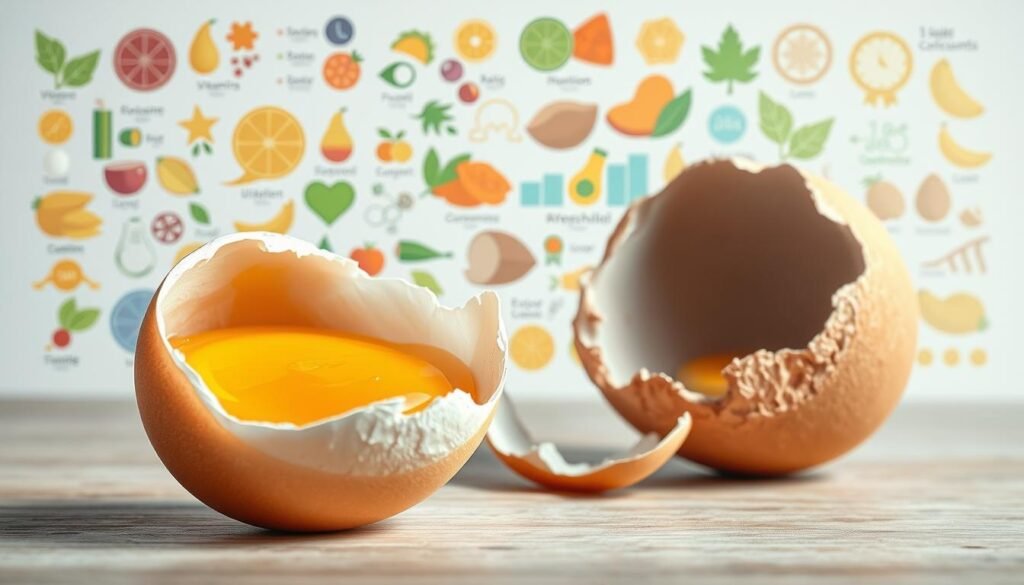
Eggshells and whole eggs offer unique nutritional benefits for pets. They are packed with essential nutrients that support a balanced diet. Understanding their value can help pet owners make informed decisions about their furry friend’s nutrition.
Calcium and Bone Health
Eggshells are a rich source calcium, providing calcium carbonate that strengthens bones and supports muscle function. When processed into powder, they become easier for pets to absorb. This makes them an excellent supplement for maintaining skeletal health.
Studies show that eggshell membranes contain collagen, which aids joint health. This is particularly beneficial for older pets experiencing mobility issues. Including eggshell powder in their diet can enhance overall well-being.
Protein and Essential Nutrients
Cooked eggs are a powerhouse of protein and essential nutrients. Each egg contains about 6 grams of protein, making it a valuable addition to a pet’s diet. They also provide omega-3 fatty acids, vitamins, and antioxidants that support immune health.
Here’s a comparison of nutritional benefits:
| Nutrient | Cooked Egg | Eggshell Powder |
|---|---|---|
| Protein | 6g | 0g |
| Calcium | 28mg | 1,750mg |
| Omega-3 Fatty Acids | Yes | No |
“Eggshells are a natural and cost-effective way to provide calcium for pets. When prepared correctly, they can significantly improve bone health.”
Balancing eggs and eggshells in a pet’s diet ensures they receive a wide range of nutrients. Always consult a vet to determine the right amounts based on your pet’s needs.
Safe Preparation Methods for Eggs and Eggshells
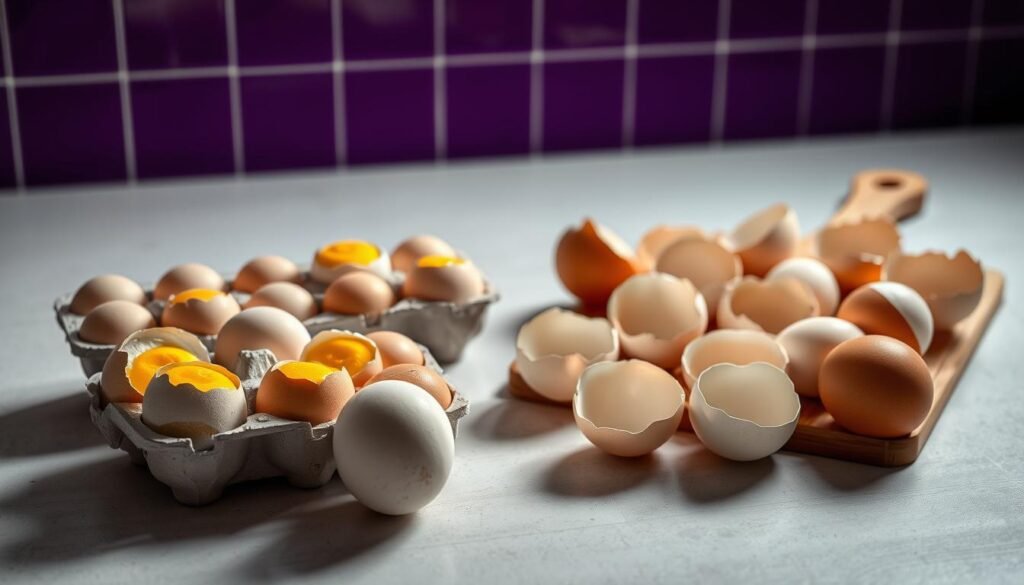
Proper preparation methods can maximize the benefits of eggs and eggshells. Ensuring safety during processing is key to reducing risks and enhancing their nutritional value. Let’s explore the best practices for handling these ingredients.
Cooking Eggs to Eliminate Salmonella
Cooking eggs thoroughly is essential to eliminate harmful bacteria like salmonella. Experts recommend heating eggs to 160°F without additives. This temperature ensures safety while preserving their nutrients.
Here’s a quick guide to cooking eggs safely:
- Use a food thermometer to check the internal temperature.
- Avoid adding salt, butter, or oil during cooking.
- Allow eggs to cool before serving to your pet.
Proper Eggshell Processing and Grinding Techniques
Eggshells must be cleaned and processed correctly to make them safe and digestible. Start by washing them thoroughly to remove any residue. Boil the shells for 5-10 minutes or bake them at 200°F to kill bacteria.
Once cleaned, grind the shells into a fine powder using a food processor or coffee grinder. This step ensures they are easy to absorb and reduces the risk of choking. The powder can then be mixed into your pet’s food as a calcium supplement.
Here’s a step-by-step process:
- Wash eggshells under running water.
- Boil or bake to eliminate bacteria.
- Grind into a fine powder.
- Store in an airtight container for future use.
“Properly processed eggshells are a safe and effective way to provide calcium for pets. Always ensure they are finely ground to avoid digestive issues.”
By following these methods, you can safely incorporate eggs and eggshells into your pet’s diet. For more detailed guidance, check out this comprehensive resource on eggshell preparation.
Potential Risks and Necessary Precautions
While eggshells offer benefits, they also come with certain risks. Understanding these dangers ensures your pet’s health and safety. This section highlights the key concerns and precautions to take when incorporating eggshells into a pet’s diet.
Bacterial Contamination and Food Safety
Raw eggs and eggshells can carry harmful bacteria like salmonella. This poses a risk not only to pets but also to humans handling the food. Proper cleaning and processing are essential to eliminate these dangers.
Boiling or baking eggshells before grinding them into powder kills bacteria. This step ensures the amount of harmful pathogens is reduced to safe levels. Always wash your hands and utensils thoroughly after handling raw eggs or shells.
Calcium Overdose and Digestive Concerns
Excessive calcium intake can lead to health issues like constipation or kidney stones. While eggshells are a natural source of calcium, overuse can disrupt the body’s mineral balance. This is especially risky for pets with pre-existing conditions.
Introduce eggshell powder gradually and in small amounts. Monitor your pet for signs of digestive upset, such as vomiting or diarrhea. Consulting a vet ensures the right dosage based on your pet’s size and needs.
“Overconsumption of calcium can lead to serious health problems. Always measure the amount carefully and consult a vet for guidance.”
By following these precautions, you can safely incorporate eggshells into your pet’s diet. Proper preparation and moderation are key to avoiding risks and maximizing benefits.
Integrating Eggs and Eggshells into Your Dog’s Diet
Incorporating eggs and eggshells into your pet’s diet requires careful planning and preparation. These ingredients offer valuable nutrients but must be introduced in the right way to ensure safety and effectiveness. This section provides practical tips for determining serving sizes and mixing methods.
Determining Appropriate Serving Sizes
Start with small amounts, such as half a teaspoon of powdered eggshell, and gradually increase based on your pet’s size and caloric needs. For example, a 50-pound dog may require around 800-1,000 mg of calcium per day. Always consult your vet to personalize the dosage.
Here’s a quick guide to serving sizes:
- Small breeds: ⅛ teaspoon of eggshell powder daily.
- Medium breeds: ¼ teaspoon daily.
- Large breeds: ½ teaspoon daily.
Methods for Mixing with Regular Meals
Eggshell powder can be easily mixed into your pet’s regular food. For cooked eggs, chop or scramble them and add them as a topping. This way, your pet gets a balanced mix of protein and calcium, which supports muscle and coat health.
Here are some tips for meal preparation:
- Store pre-processed eggshell powder in an airtight container for up to two months.
- Mix a small amount into wet or dry food to enhance nutrient absorption.
- Monitor your pet for any digestive concerns or allergic reactions.
“Gradual dietary adjustments are key to ensuring your pet’s health. Always consult a vet for personalized guidance.”
By following these steps, you can safely integrate eggs and eggshells into your pet’s diet. Proper preparation and moderation ensure your furry friend reaps the benefits without any risks.
Tips from Canine Nutrition Experts
Canine nutrition experts emphasize the importance of safe and balanced dietary practices for pets. Whether you’re considering raw egg or alternative calcium sources, professional guidance ensures your furry friend’s health remains a top priority.
Expert Advice and Vet Recommendations
Kayla Kowalski, a renowned pet nutritionist, highlights the value of organic or farm-fresh eggs. These options minimize exposure to harmful chemicals often found in standard grocery-sold eggs. Properly cooked eggs are safer, reducing risks like salmonella.
Vets recommend introducing raw egg gradually, if at all. Monitoring your pet’s reaction helps identify any adverse effects. For pets with sensitive skin or allergies, cooked eggs are a safer choice.
“Farm-fresh eggs are a healthier option for pets. They provide essential nutrients without the risks associated with commercial eggs.”
Alternative Calcium Sources for a Balanced Diet
If eggshells aren’t suitable, consider other calcium-rich options. Raw bones and commercial supplements are excellent alternatives. These provide the necessary nutrients to support muscle and bone health.
Here’s a comparison of calcium sources:
- Raw Bones: Natural and rich in calcium, but supervise to prevent choking.
- Commercial Supplements: Pre-measured and easy to mix into dog food.
- Eggshell Powder: Homemade and cost-effective, but requires proper preparation.
Balancing these options ensures your pet receives adequate calcium without exceeding their daily calorie needs. Always consult your vet to determine the best approach for your pet’s unique requirements.
Conclusion
Incorporating eggshell powder into your pet’s diet can be a natural and effective way to boost their calcium intake. When prepared correctly, it supports bone and joint health, making it a valuable supplement for your good dog. However, safety and moderation are key to avoiding potential risks.
Always ensure proper processing to eliminate harmful bacteria. Grinding eggshells into a fine powder enhances digestibility and nutrient absorption. Consulting a vet helps determine the right serving size for your pet’s specific needs.
For more detailed guidance on using eggshell powder, check out this comprehensive resource. With careful integration, this natural supplement can contribute to your pet’s overall well-being.
Are eggshells safe for my dog to consume?
What nutrients do eggshells offer for my pet?
How should I prepare eggshells for my dog?
Can raw eggshells harm my pet?
How much eggshell powder should I add to my dog’s diet?
Are there risks of giving too much calcium?
Can I mix eggshell powder with regular dog food?
What are alternative sources of calcium for dogs?
Should I consult a vet before adding eggshells to my dog’s diet?

Sarah Jennings
Contributing writer covering My Favorite Dog - Dog tips, Tricks and Best of Product Roundups.




Do eggshells really provide any significant nutritional benefit to dogs, or is this just another pet industry marketing ploy?
Interesting read, but can eggshells harm a dogs digestion? Any vets here to validate these nutritional claims?
Are eggshells really safe or is it more about the extra calcium? Seems like a risk for choking to me.
Choking risk? Only if youre eating them whole! Grind them for an easy calcium boost.