Saint Bernard Bernese Mountain Dog Mix Breed Info
Affiliate links — we may earn a commission
Picture this: A furry mountain of devotion sprawled across your living room floor, radiating warmth like a living hearth. We’re not describing a mythical creature, but rather the ultimate family companion forged from Swiss alpine heritage. These gentle giants redefine “oversized lapdog” with their uncanny ability to shrink your problems to molehill size – even if they occupy enough couch space for three adults.
Born from the union of two legendary working breeds, this mix combines the calm resilience of snow rescue specialists with the unwavering loyalty of farm guardians. Their plush coats aren’t just fashion statements – they’re survival gear perfected through generations of braving harsh mountain climates. While their exact origin story remains as mysterious as a foggy Alpine pass, their modern reputation as four-legged therapists with paw-some patience is crystal clear.
What truly sets these colossal canines apart isn’t just their impressive stature (though you’ll need to budget extra for dog beds). It’s their innate understanding of human emotions – a trait that transforms them from mere pets into emotional support systems with wagging tails. They’re the living embodiment of “still waters run deep,” offering quiet comfort that makes even the worst day feel manageable.
Key Takeaways
- Combines traits from two iconic Swiss working breeds
- Developed in the 1990s with protective yet gentle nature
- Thick double coat ideal for cold weather climates
- Known by multiple names including “St Bernese”
- Exceptionally patient with children and families
- Requires significant space and regular grooming
- Natural aptitude for emotional support roles
Introduction to the Saint Bernard Bernese Mountain Dog Mix
There’s a four-legged nanny watching over suburban backyards, equipped with radar-like awareness and a built-in “kid whisperer” mode. These furry guardians redefine household security through quiet vigilance rather than intimidation – think security system with a wagging tail.
Owners often describe their homes feeling “wrapped in a living security blanket” thanks to this breed’s instinctive patrol patterns. They don’t bark at passing squirrels, but their deep whoof transforms into a territorial sonar when strangers approach – like a doorbell that announces visitors with bass-boosted enthusiasm.
What truly astonishes families is their patience scale. Toddlers using them as climbing gyms? Accepted with regal tolerance. Teen drama unfolding nearby? Met with head-in-lap therapy sessions. Their emotional intelligence operates at PhD-level comfort dispensing, making them ideal for chaotic households.
While their size suggests otherwise, these giants adapt beautifully to indoor life. They’ll claim your entire sofa as their throne yet somehow make you feel honored to share it. Their secret? Combining Swiss work ethic with zen master calm – the ultimate hybrid for modern family living.
History and Parent Breeds
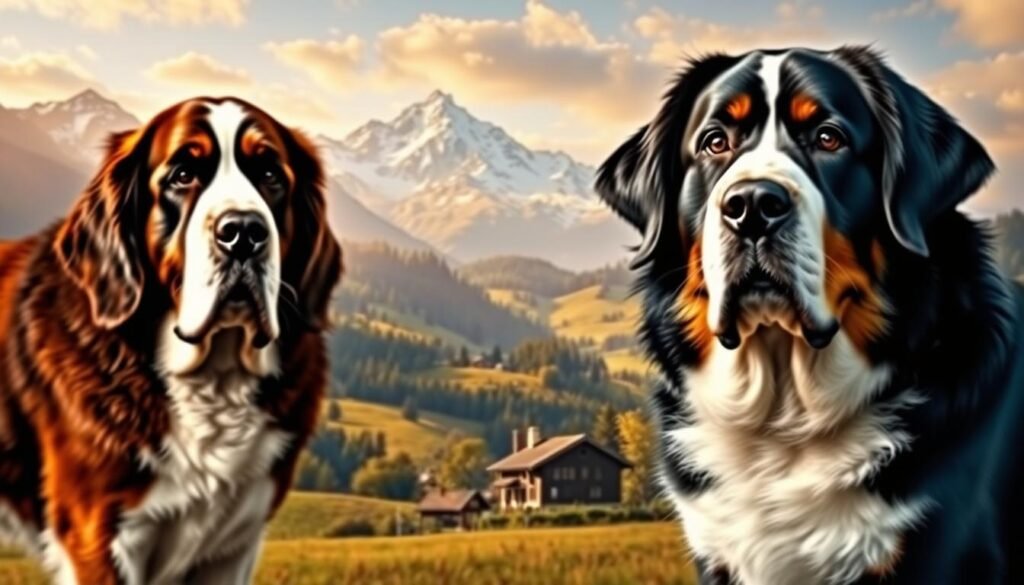
Centuries before Hollywood discovered their charm, two Swiss legends were already stealing hearts in the Alps. Let’s unpack the origin stories that make this crossbreed’s lineage read like an adventure novel.
The Saint Bernard traces its roots to 17th-century monks who clearly understood canine potential. These mountain maestros blended local working dogs to create four-legged rescue teams that could sniff out stranded travelers through blizzards. While modern films portray them as drooly comedians, their ancestors saved over 2,000 lives in the Alps.
Meanwhile, their future breeding partner perfected the art of multitasking. Bernese Mountain dogs emerged from strategic crosses between Mastiffs and herding breeds, becoming the ultimate farmhand. They could guard chickens by dawn and cuddle children by dusk – the original work-life balance champions.
| Parent Breed | Origin Era | Signature Skill |
|---|---|---|
| Saint Bernard | 1600s | Alpine rescue operations |
| Bernese Mountain Dog | 1800s | Farm security & livestock management |
“Their combined DNA isn’t just genetics – it’s centuries of Swiss engineering for loyalty and adaptability.”
What makes these parent breeds truly remarkable? Both were designed as living security systems that doubled as emotional anchors. The monks didn’t just want working animals – they needed companions who could read human distress signals better than any medical textbook.
Today’s mix inherits this legacy of alpine intelligence. Their ancestors navigated glacier crevasses and protected homesteads, skills that now translate to spotting suspicious squirrels and mediating sibling squabbles. Talk about evolved survival instincts!
Unique Appearance Characteristics
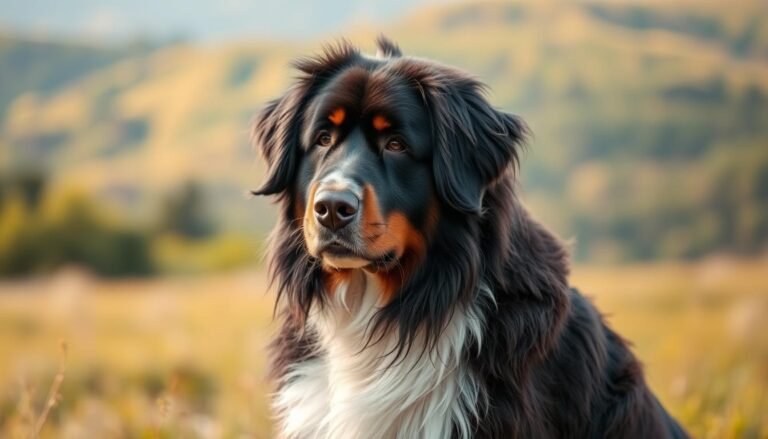
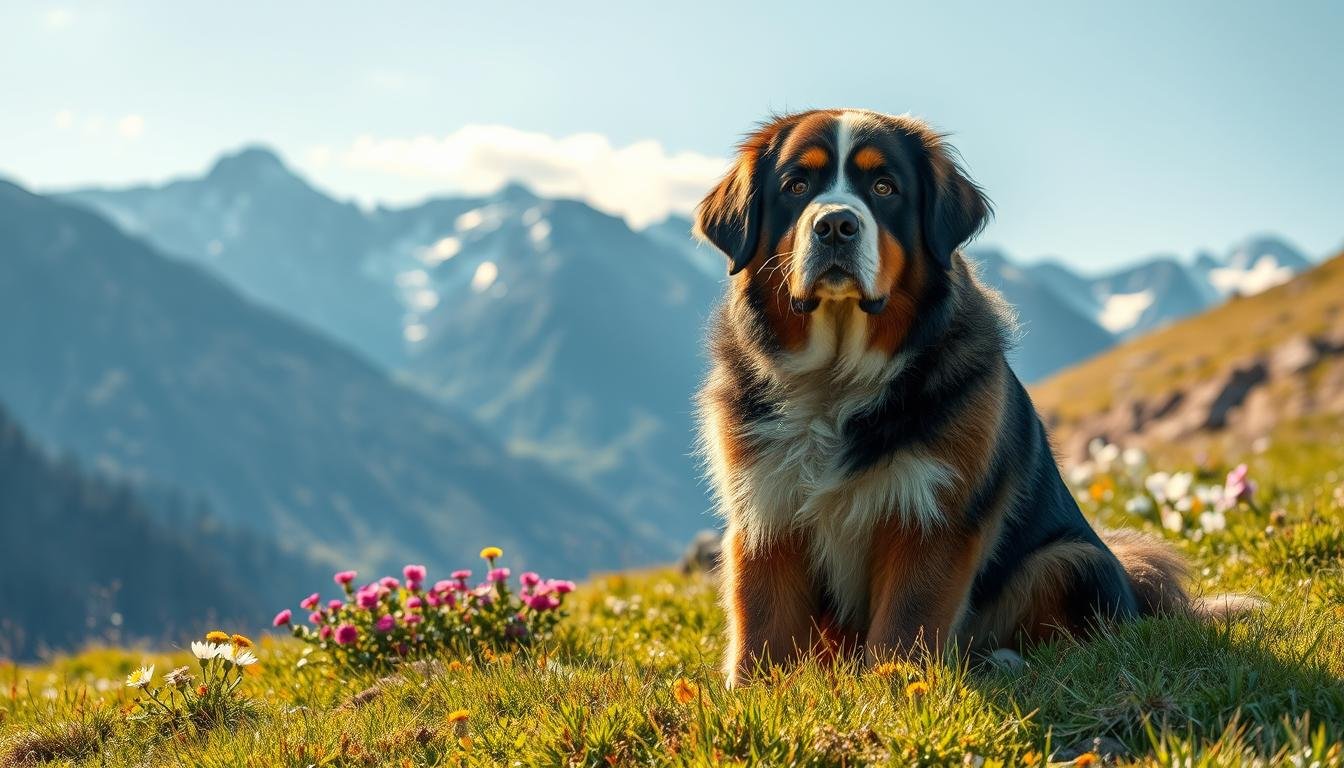
Imagine living with a plush-covered mountain that moonlights as a furniture piece. These giants redefine “big-boned” with weights stretching from 110 to 170 pounds – heavy enough to make your bathroom scale sigh dramatically. Their snow-ready paws act as natural walking snowshoes, while those satellite-dish ears could probably pick up AM radio signals if they tried hard enough.
Their build screams “living security system” – thick necks supporting heads that could double as cinderblocks. Those soulful brown eyes aren’t just window dressing; they’re masterclasses in silent communication. You’ll swear they’re telepathically requesting ear scratches while simultaneously monitoring snack cabinet activity.
The St Bernese sports a weatherproof coat that laughs at blizzards and a tail that could clear coffee tables in one enthusiastic wag. Their signature facial folds aren’t just adorable – they’re engineered for maximum treat-catching efficiency during snack time negotiations.
Here’s what sets them apart physically:
- Snowshoe-like paws spreading weight across soft surfaces
- Dense fur armor protecting against Arctic-level cuddles
- Structural engineering that makes oak trees look flimsy
Pro tip: Measure your doorways twice. These gentle behemoths often forget their dimensions, turning simple room exits into slapstick comedy routines.
Character and Temperament: Gentle Giants

Some breeds chase squirrels; these living teddy bears prefer to absorb chaos like fuzzy sponges. Their Zen master temperament makes sloths look hyperactive – we’re talking creatures who consider frantic tail-wagging an Olympic-level exertion.
| Trait | Puppy Phase | Adult Behavior |
|---|---|---|
| Patience Level | Endless | Infinite |
| Protective Instinct | Watchful observer | Living security system |
| Playfulness | Clumsy comedian | Graceful goofball |
Families with children report these canines function as four-legged mediators during sibling disputes. Their secret? A combination of strategic couch-flopping and therapeutic head-in-lap maneuvers that diffuse tension better than any parenting book.
“Our 90-pound ‘nanny’ positions himself between arguing kids like a furry UN peacekeeper.”
While their calm nature seems unshakable, supervision remains crucial. A happy tail whip could redecorate your living room with sippy cups – not malice, just physics meeting enthusiasm. Their protective instincts manifest as silent sentry duty rather than aggression, scanning yards with radar-like focus.
Pro tip: Stock up on lint rollers. Their extended puppy phase means years of snowglobe-like fur showers during playtime – the price paid for endless entertainment from these gentle comedians.
Health Concerns and Preventive Care
Caring for these gentle giants means becoming fluent in their unique health language—a mix of watchful prevention and swift action. While their lifespan averages 6-9 years, smart care strategies can help maximize every moment.
Managing Hip Dysplasia and Other Joint Issues
Those sturdy frames need vigilant support. Hip dysplasia creeps in silently, turning playful leaps into painful struggles. We combat this through weight management, joint supplements, and avoiding puppy stair marathons. Regular vet checks become our secret weapon.
Spotting Early Warning Signs: Bloat and Beyond
When deep chests meet enthusiastic eating, bloat becomes our nemesis. A swollen belly or unproductive retching means emergency care—stat. We prevent this deadly dance with raised bowls and post-meal zen time.
Our mission? Outsmart genetics through preventive care and savor those golden years. Catching subtle signs early transforms brief companionship into richer, fuller chapters.
How big do these fluffy couch potatoes get?
Are they good with kids or just professional drool dispensers?
What’s the lifespan of this living teddy bear?
Do I need a vacuum empire to handle their shedding?
Can they survive apartment life or just mountain rescues?
Are they stubborn or just selectively fluent in English?
Why does everyone mention hip dysplasia?
Should I panic if they start pacing or drooling excessively?

Sarah Jennings
Contributing writer covering My Favorite Dog - Dog tips, Tricks and Best of Product Roundups.